About

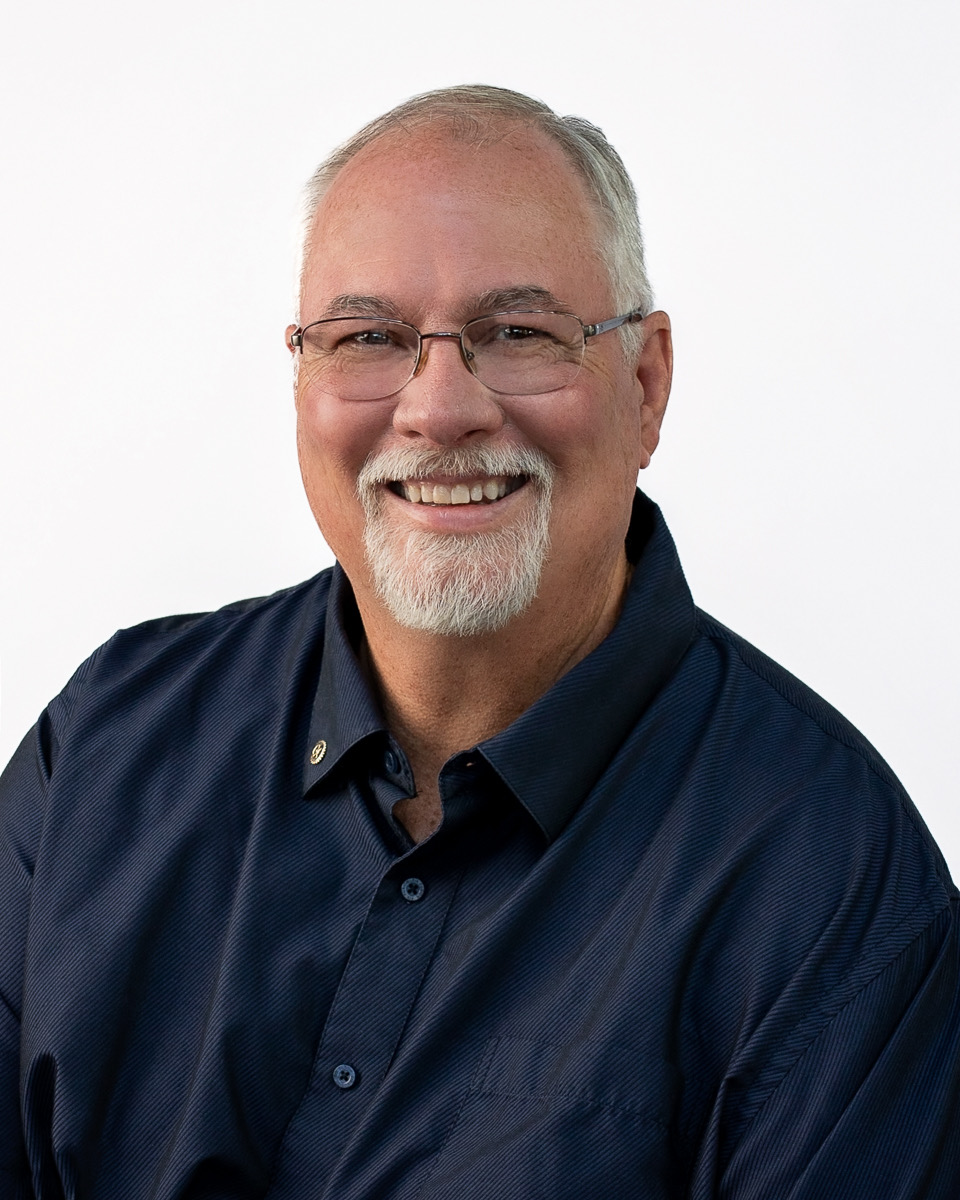
Scott — Educator, Computer Engineer and Scientist, and aspiring Computational Biologist
After a rewarding 30-year career in the computer industry building robust hardware and software systems, I made the most fulfilling move of my professional life: I became a teacher. Now I’m embarking on what I call my “Second Act” — bridging computer science and biology to tackle one of medicine’s deepest challenges: the human immune system.
I teach computer science at California State University, Sacramento, where I cover everything from introductory programming logic to computer architecture. Inspiring the next generation of engineers keeps me grounded in the fundamentals while pushing me to stay current with cutting-edge technology.
The Second Act
I’m currently laying the groundwork for a PhD in Integrative Genetics and Genomics at UC Davis, with the ultimate goal of applying symbolic AI and high-performance computing to model immune responses and contribute to curing autoimmune diseases. I believe the next great medical breakthroughs will be written in code.
OLang: Governance-as-Code for Biology
At the heart of this mission is OLang, a native C++23/LLVM 18 domain-specific language I’m designing for the orchestration of federated AI agents to solve Type 1 Diabetes through CRISPR-mediated immune evasion. The central premise is that biological discovery must transition from stochastic, manual experimentation to formal engineering verification — and OLang is the “Governance-as-Code” layer that enforces biological safety at the binary level.
OLang achieves this through three mechanisms: a compile-time dimensional analysis system that prevents biological paradoxes like mass-balance violations before any code runs; formal verification using Linear Temporal Logic to mathematically guarantee that proposed genetic edits maintain stealth states across all possible immune stress tests; and a capability-based access control system that isolates simulation agents from lab execution agents, ensuring no unverified AI-generated protocol ever touches physical hardware.
The architecture decentralizes the discovery loop into a fleet of specialized agents — from an Analyst Agent ingesting real-world scRNA-seq data to a Simulator Agent that compiles directly to CUDA kernels for massively parallel GPU modeling. The system is designed to run 1 million parallel cellular digital twins simultaneously, using a copy-on-write memory model where simulations share a read-only baseline and allocate thread-local memory only for genetic deltas. A hybrid simulation engine combines Kinetic Monte Carlo for stochastic immune synapse binding with Flux Balance Analysis for deterministic metabolic verification.
The implementation roadmap spans three phases: building the ANTLR4 C++ frontend and type system, integrating the LLVM backend and CUDA parallel runtime, and validating the full pipeline including the hardware bridge in a wet-lab environment during my PhD rotation (2028).
Research Interests
My research lives at the intersection of computer science, artificial intelligence, and biology:
AI Modeling of Complex Biological Processes. My primary focus is building sophisticated computational frameworks to simulate, analyze, and predict autoimmune reactions — from the OLang-powered digital twin architecture described above to broader contributions in novel diagnostic tools, targeted therapies, and precision medicine approaches.
Edge AI for Healthcare. I’m exploring how localized, real-time AI can transform medicine — from next-generation devices like artificial pancreas systems and advanced wearable health monitors, to ultra-low-cost point-of-care diagnostics that enable community health workers to serve rural, resource-limited regions with minimal infrastructure. I’m also interested in brain-computer interfaces for neurological rehabilitation.
Complexity and Chaos Theory. I explore how non-linear dynamics, emergent behaviors, and feedback loops shape complex systems — and how these concepts can model and predict human, biological, and environmental phenomena.
Technical Toolkit
My current stack centers on a high-performance C++23/LLVM 18 toolchain for OLang development, alongside C#, Java, Python, Rust, Go, TypeScript, and JavaScript. On the hardware side, I experiment with NVIDIA Jetson Orin Nano and Raspberry Pi for localized biological data processing and edge AI prototyping. Underpinning all of it is a deepening foundation in molecular biology, biochemistry, and genetics.
Beyond the Screen
When I’m not coding, designing embedded systems, or studying biology, you’ll find me swimming laps in a pool, hiking, sailing, building furniture and cabinets, brewing beer, or playing guitar.
I’m also active in my local Rotary Club and Toastmasters Club — because even the best scientists needs a clear voice to change the world.
Connect
- Email: scott@ScottsSecondAct.com
- CV / Resume: /cv/
- GitHub: github.com/ScottsSecondAct